 When most people think about farm sitting, they picture feeding animals and maybe collecting a few eggs. In reality, proper farm care is far more detailed, hands-on, and responsibility driven. Each species has its own needs, routines, and quirks and maintaining their health and safety requires experience, attention, and a deep understanding of animal behavior. Whether you have a small hobby farm or a larger homestead, here’s a closer look at what truly goes into caring for goats, chickens, horses, cows, and more.
Daily Care Is More Than Just Feeding
At the heart of farm sitting is consistency. Livestock thrive on routine, and even small disruptions can cause stress or health issues. For most farms, daily care includes:
- Providing fresh, species-appropriate feed
- Ensuring constant access to clean water (and checking that buckets or troughs aren’t frozen, tipped, or contaminated)
- Cleaning up feeding areas to prevent pests and disease
- Checking fencing and enclosures for safety
But beyond these basics, each animal requires individualized care.
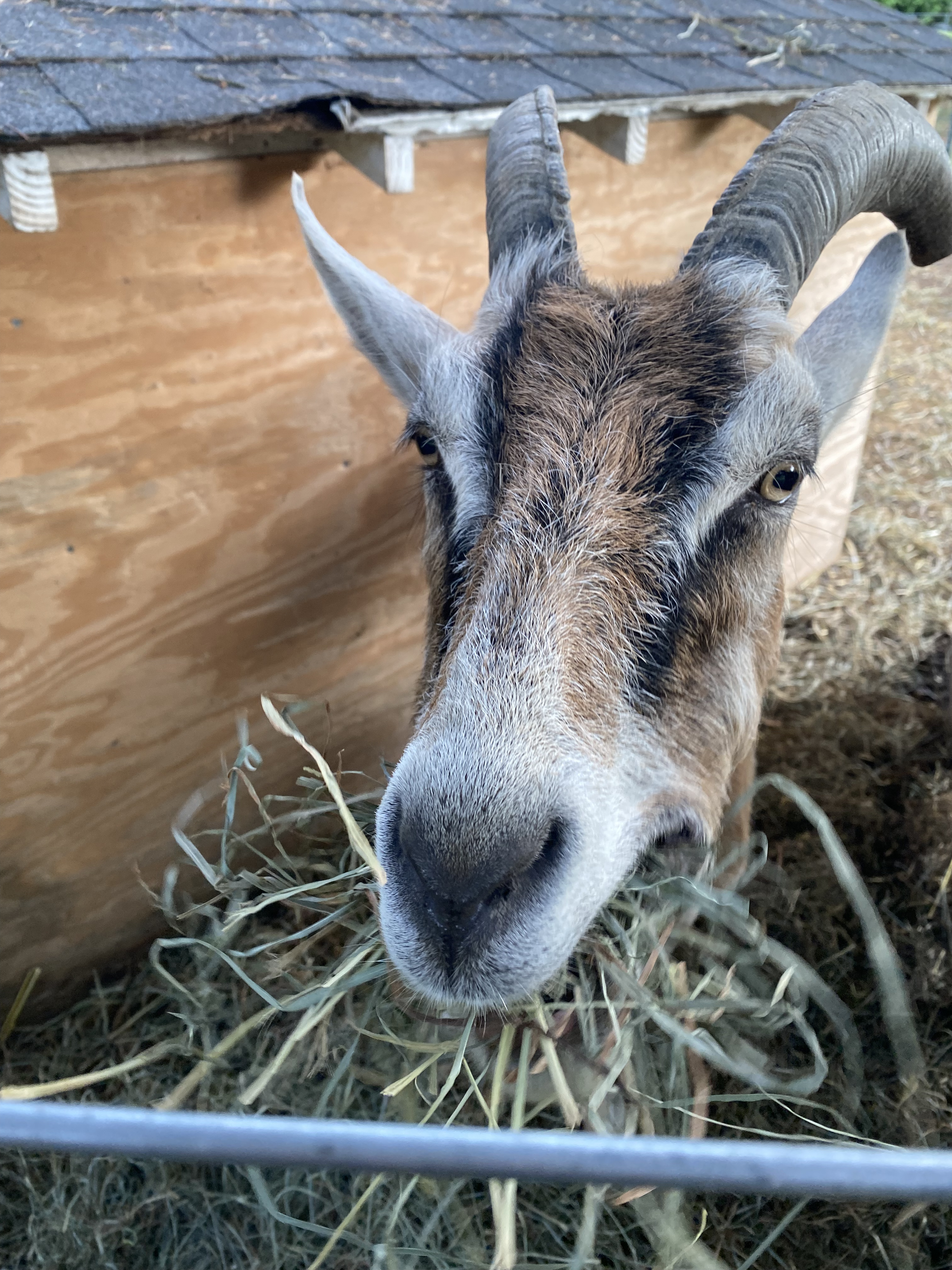
Goats: Curious, Social, and Sometimes Mischievous
Goats are incredibly interactive animals. They require more than just food and water, they need engagement and observation. A good farm sitter knows to:
- Monitor their appetite and rumination (a key indicator of health)
- Check for signs of bloat or parasites
- Make sure fencing is secure (because goats are expert escape artists)
- Provide enrichment or interaction, especially for social herds
Even something as simple as a goat acting “quieter than usual” can signal a problem.
Chickens: Small Animals, Big Responsibility
 Chickens may be smaller, but their care is just as important and detail-oriented:
- Collecting eggs daily to prevent breakage or egg-eating habits
- Refilling feed and fresh water while keeping it clean
- Checking for signs of mites, illness, or injury
- Securing coops at night to protect from predators
Subtle changes like decreased egg production or lethargy can be early warning signs that need attention.
Horses & Donkeys: High-Maintenance and Highly Observant Care
Equines require some of the most attentive care on a farm. Their size alone means small issues can quickly become serious. Daily responsibilities often include:
- Feeding grain and hay on a strict schedule
- Refreshing large water troughs
- Administering supplements or medications
- Rotating pastures or bringing animals in during bad weather
- Monitoring for lameness, colic symptoms, or injuries
Horses and donkeys are also highly sensitive to changes in behavior. A trained eye is essential to catch early warning signs like restlessness, pawing, or reduced appetite.
Cows: Routine, Nutrition, and Close Monitoring
Cattle care may seem straightforward, but it requires consistency and awareness:
- Ensuring proper feed ratios (hay, grain, or pasture)
- Monitoring body condition and appetite
- Checking water supply, especially in extreme weather
- Watching for signs of illness such as lethargy, limping, or digestive issues
Because cows are herd animals, noticing when one separates from the group can be a critical indicator that something is wrong.
Animals With Special Needs
Many farms include animals that require additional care, especially seniors or those with medical conditions. This is where professional experience becomes especially important. Medications can be administered in a variety of ways, including:
- Oral syringes or pills hidden in feed
- Topical treatments
- Injections (such as insulin or antibiotics)
- Eye or ear medications
Each method requires proper handling techniques to ensure the animal receives the correct dosage safely and without added stress. It’s not just about giving medication—it’s about doing it correctly and confidently.
Reading Animal Behavior: The Key to Early Intervention
One of the most important parts of farm sitting is the ability to recognize subtle changes in behavior. Animals rarely show obvious signs of illness right away. Instead, early symptoms might include:
- Eating or drinking less than usual
- Standing apart from the group
- Changes in posture or movement
- Unusual vocalizations
- Decreased energy or interaction
Catching these signs early can make all the difference in preventing a minor issue from becoming a serious emergency.
Emergency Preparedness and Veterinary Communication
 A professional farm sitter isn’t just there for routine care—they’re also prepared for the unexpected. In the event of an emergency, it’s critical to:
- Quickly assess the situation
- Contact the appropriate veterinarian
- Clearly communicate symptoms and timeline
- Follow instructions accurately until help arrives
Experience working with veterinarians whether for small animals, livestock, or equine care ensures that nothing is lost in translation during high-stress situations. Knowing what information a vet needs and how to act quickly can be life-saving.
Why Professional Farm Sitting Matters
Farm animals depend on consistency, knowledge, and attentive care. It’s not just about keeping them fed it’s about maintaining their health, safety, and overall well-being while you’re away. Hiring a professional farm sitter means:
- Your animals’ routines stay consistent
- Subtle health issues are recognized early
- Medications are administered correctly
- Emergencies are handled calmly and efficiently
Most importantly, it gives you peace of mind knowing your animals are in experienced, capable hands. If you’re planning time away from your farm, choosing someone who understands the depth of livestock care can make all the difference not just for your animals, but for your peace of mind.